Microplastics, explained
Tiny plastic fragments have been found almost everywhere we've looked — including in roughly 90% of bottled-water samples studied.
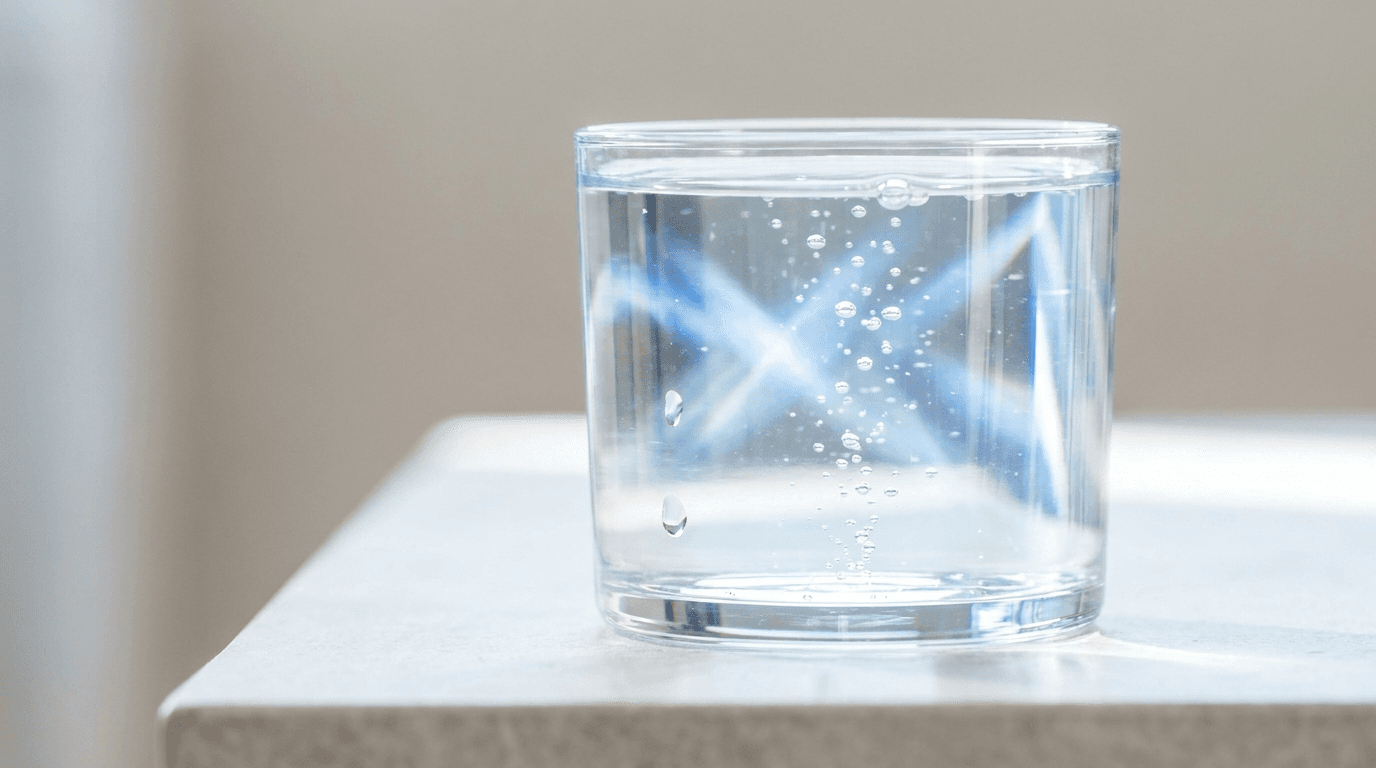
Microplastics are plastic particles smaller than five millimetres, formed as larger plastics break down or shed. Because plastic is now woven through modern life, these fragments have turned up in oceans, soil, air — and drinking water.
The bottled-water irony
Independent global studies have detected microplastics in roughly 90% of bottled-water samples examined. The very product many people buy for purity can be a source of the particles they're trying to avoid. The long-term health implications are still being researched, but the precautionary logic is straightforward: less is better.
What helps
- Reducing reliance on single-use plastic bottles at the source
- Purification capable of capturing particles far smaller than microplastics
- Reusable glass and steel vessels for daily use
Bluewater systems remove microplastics and nano-plastics as part of a purification spectrum reaching below 0.0001 microns — and by replacing bottles entirely, they cut the problem off upstream.
This article is general information, not medical advice. Mao H2O keeps water-quality and health content evidence-based and non-diagnostic.
延伸阅读


Let's start the conversation.
Your space, your timeline. Three easy ways to take the next step — no commitment, no pressure, just an honest conversation about your water.