What are PFAS?
PFAS are a family of synthetic 'forever chemicals' that don't break down in the environment — or in the body. Here's what to know.
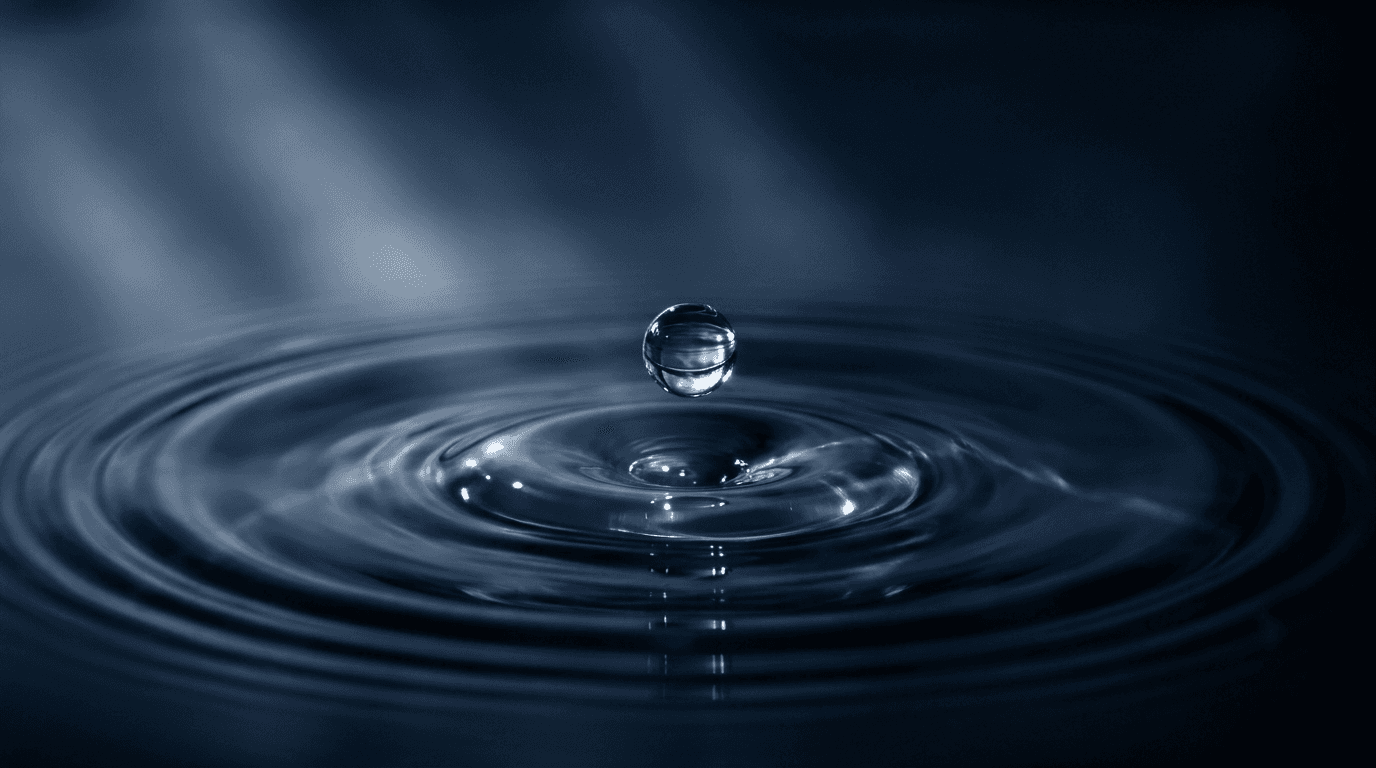
PFAS — per- and polyfluoroalkyl substances — are a large group of synthetic chemicals used since the mid-20th century in non-stick coatings, water-resistant fabrics, food packaging, and firefighting foams. They're prized in industry because they're extraordinarily stable. That same stability is the problem.
Why 'forever chemicals'?
The carbon–fluorine bonds in PFAS are among the strongest in organic chemistry, so these compounds resist breaking down in nature. They persist in soil and water for years, and trace amounts have been detected in water supplies around the world.
Why most filtration misses them
Many basic filters are designed to improve taste and reduce sediment and chlorine — not to capture molecules as small and persistent as PFAS. Bottled water is not necessarily an answer either; what's in the bottle depends on the source and the brand.
Bluewater's SuperiorOsmosis™ purification is engineered to remove PFAS by design, verified by independent laboratory testing — part of a filtration spectrum that reaches below 0.0001 microns.
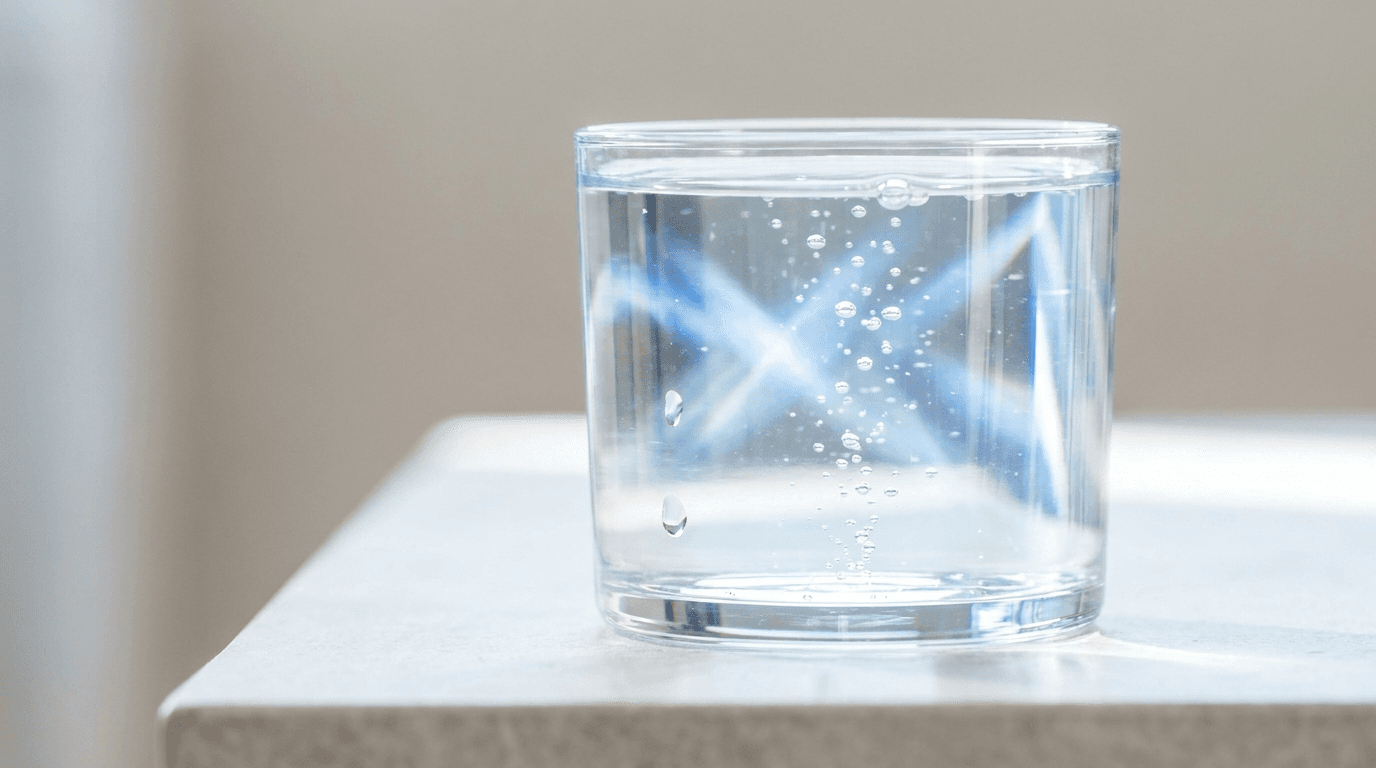
Clear water isn't necessarily clean water — and PFAS are exactly what you can't see.
Frequently asked
- Can water filters remove PFAS?
- Most basic filters do not. Reverse-osmosis based systems such as Bluewater's SuperiorOsmosis™ are engineered to remove PFAS, verified by independent testing.
This article is general information, not medical advice. Mao H2O keeps water-quality and health content evidence-based and non-diagnostic.
延伸阅读


Let's start the conversation.
Your space, your timeline. Three easy ways to take the next step — no commitment, no pressure, just an honest conversation about your water.